Welcoming the World: The Role of Tribal Nations in the 2026 World Cup Experience
As millions of visitors travel across North America for the 2026 FIFA World Cup, communities throughout the United States, Canada, and Mexico are welcoming guests from around the globe. Events of this scale are about far more than what happens inside a stadium.
The World Cup experience extends into hotels, restaurants, entertainment venues, public gathering spaces, and local communities. It relies on partnerships, cultural experiences, community investment, and an authentic sense of place.
In the Pacific Northwest, we're already seeing Tribal Nations play an important role in shaping that experience.
The Puyallup Tribe of Indians has emerged as a key partner in Seattle's World Cup activities, supporting fan experiences and contributing to the tournament's long-term community legacy. Their involvement highlights something many of us working in tribal gaming and hospitality have long understood:
Tribal Nations are not simply economic drivers. They are hosts, cultural ambassadors, and community builders.
Across Indian Country, tribal enterprises have spent decades creating destinations centered on hospitality.
Casino resorts, hotels, entertainment venues, restaurants, and gathering spaces do more than serve guests. They create experiences rooted in culture, community, and connection. They welcome visitors while simultaneously preserving and sharing stories that have shaped these places for generations.
As global events like the World Cup place greater emphasis on authentic cultural experiences, Tribal Nations are uniquely positioned to lead.
Today's travelers are increasingly seeking meaningful connections to the places they visit. They want experiences that feel genuine. They want to understand local history, engage with culture, and leave with a deeper appreciation for the communities they encounter.
Tribal destinations already excel in this area.
Through architecture, artwork, language, storytelling, and hospitality design, many tribal properties intentionally reflect the identities and histories of their communities. These elements transform a stay from a transaction into an experience. They create spaces that feel distinct, memorable, and deeply connected to place.
The built environment plays an important role in telling these stories.
Every design decision, from public art installations to interior finishes and flooring, contributes to how guests experience a destination. Thoughtful hospitality design can celebrate heritage, reinforce cultural identity, and create a sense of belonging for both visitors and community members.
As the World Cup continues, it offers a powerful reminder that hospitality is about much more than accommodating visitors. It's about creating memorable experiences while sharing the stories that make a place meaningful.
Looking ahead, another global event is already on the horizon.
The 2028 Summer Olympics in Los Angeles will once again bring millions of visitors to the region and place an international spotlight on communities across the West Coast.
How are tribal destinations preparing to welcome the world next? And what opportunities exist to ensure Indigenous stories, cultures, and communities are part of that experience?
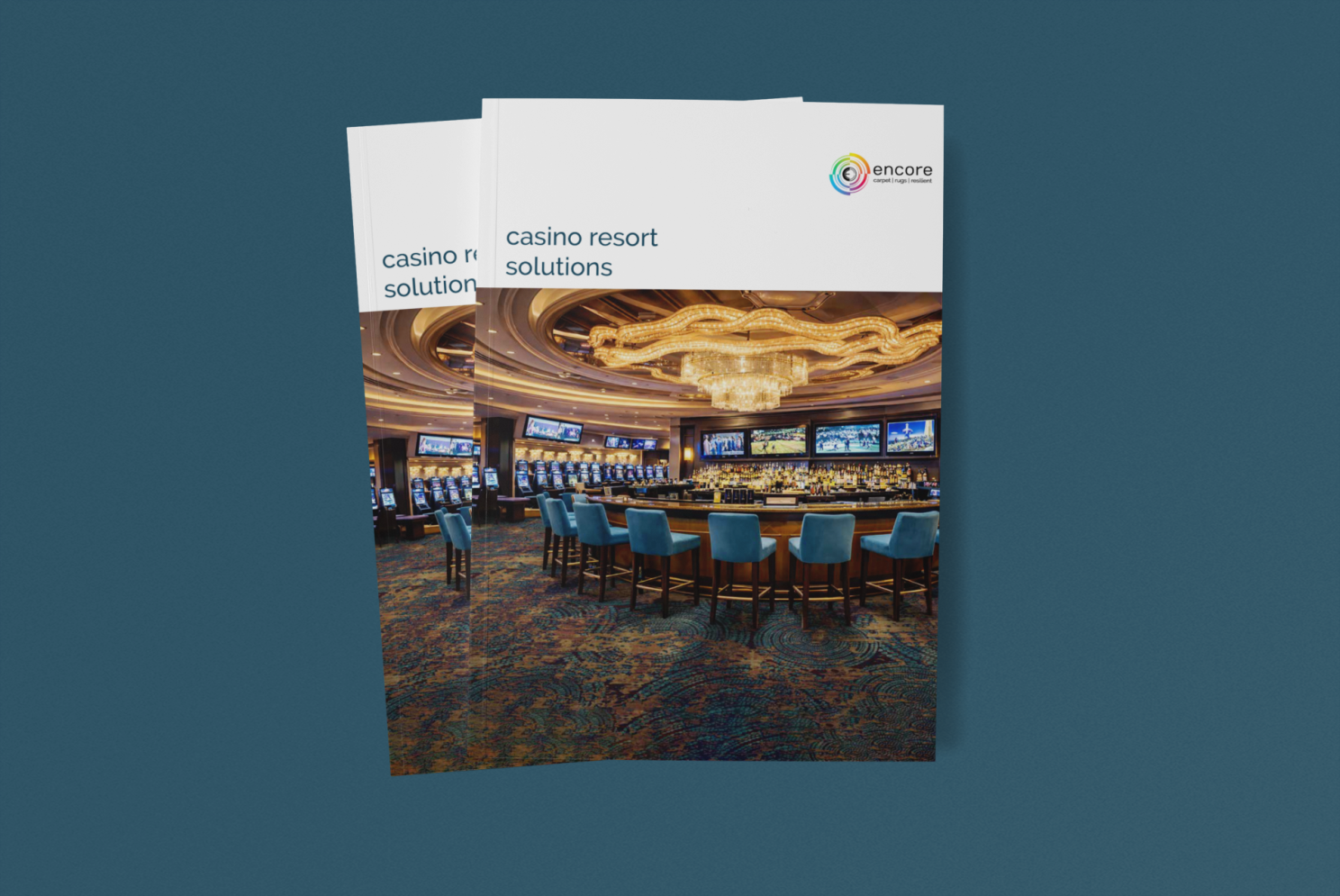
If you're planning a new project or renovation and would like to explore flooring solutions for the entire casino resort environment, contact me at alampo@encorehospitalitycarpet.com for a copy of our Casino Resort Solutions brochure.